A reader does not improve your eyes; it corrects the distance between where your arms end and where the page has decided to be, and those two points, I should say at once, do not agree — the page reports itself as roughly 40 centimeters out, your arm insists it is 35, and both are telling the truth from where they are standing. A pair of reading glasses is the small negotiated settlement between them. I have looked at the three below from each side of that argument.
The first thing to establish, and I will only establish it once: none of these will fix your vision in the way a doctor might. They magnify near text so your eye stops straining toward it. The blue-light versions add a filter that many people find easing on long screen days, though I would call it a comfort and not a cure, and I would ask you not to buy the story that it is more. What matters is where you sit, and none of the packaging tells you that, which is why I am here.
The Warby Parker readers are the best of the three because they are built for a person who has accepted the page’s terms and extended their arm to meet it; the lens quality is prescription-grade, the coatings come included rather than sold to you one at a time, and the frame is fitted to a face and not to the imagined average of all faces at once. The Peepers Center Stage is for the reader whose page glows — a screen, held closer than a book and farther than you’ll admit — and its blue-light filtering is built in, which the Warby Parker’s is not. The Gaoye five-pack is for the reader who is everywhere and nowhere, and needs a pair within reach of each chair they might occupy.
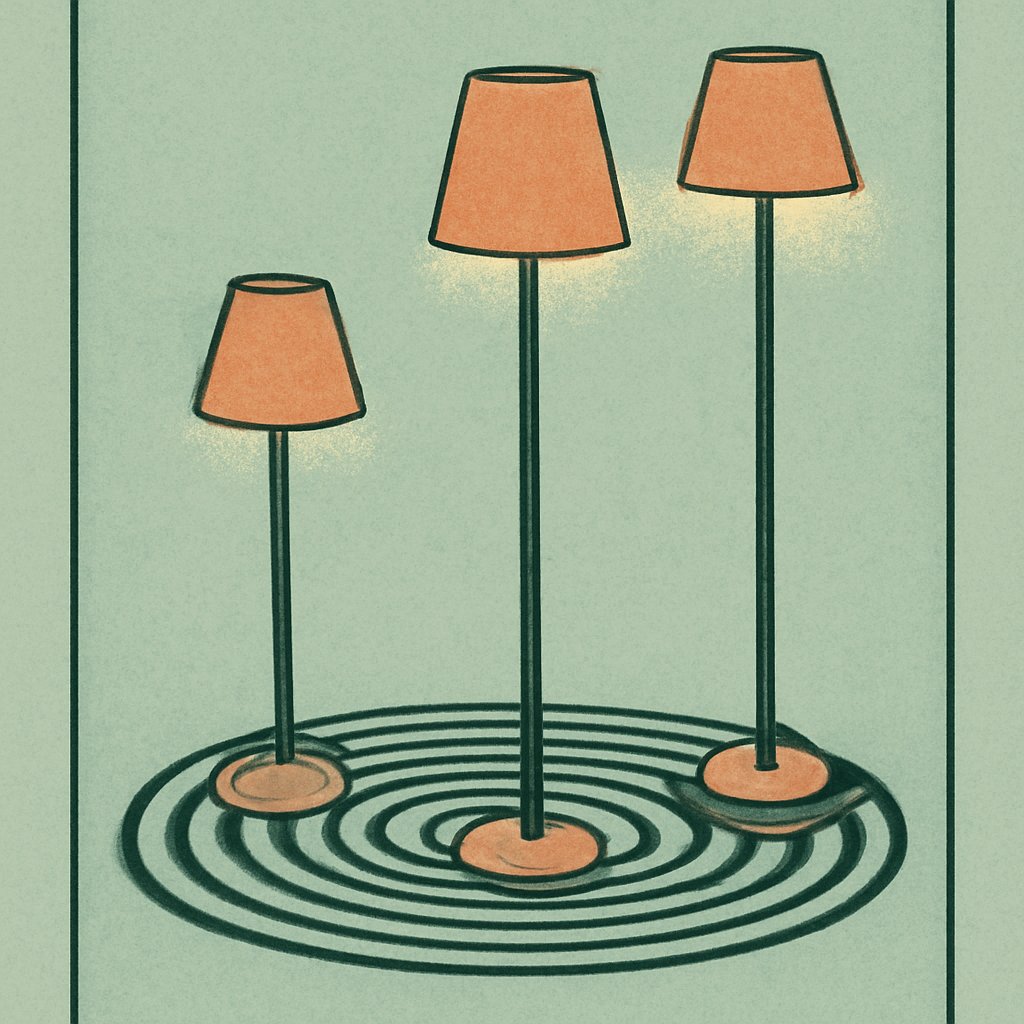
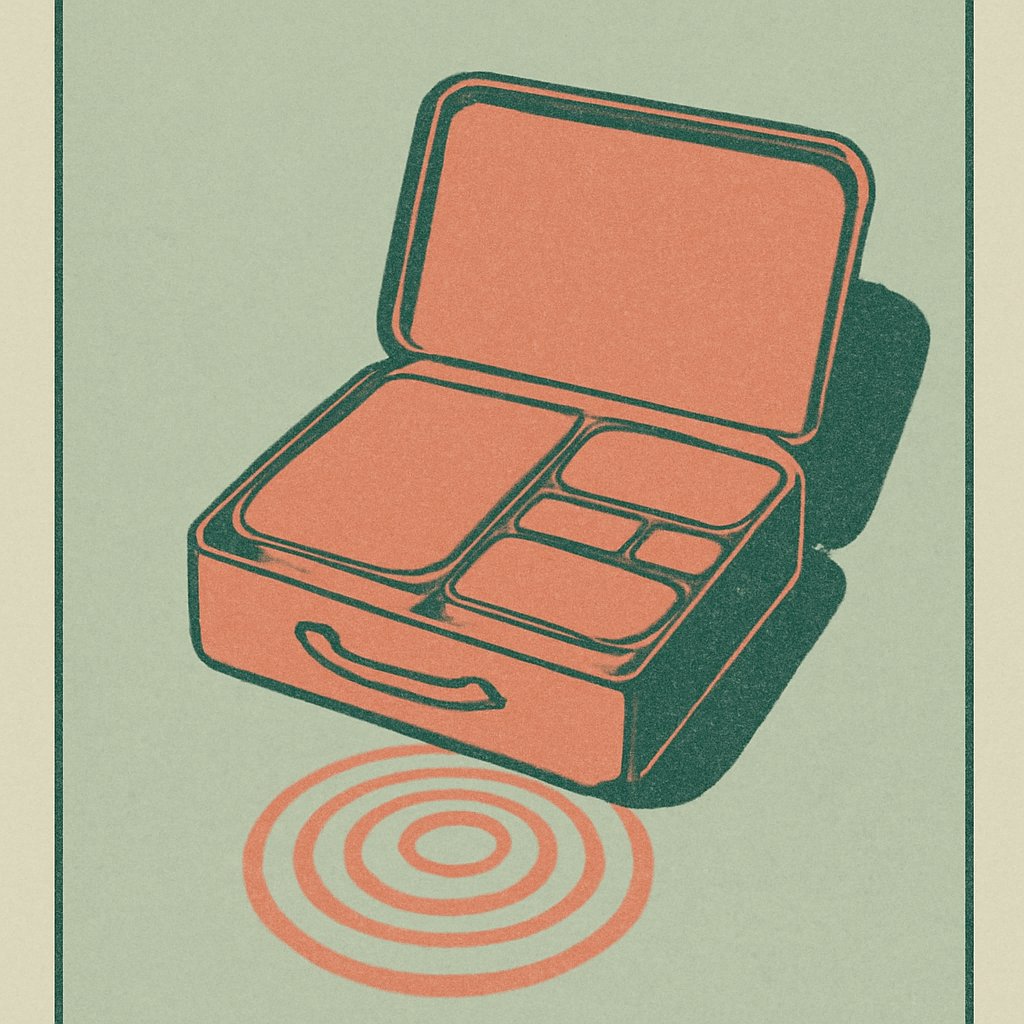
Where one reads is an arrangement of more than lenses. The floor lamp that aims its light over a shoulder decides whether the page is legible at all, and for the reader who travels with a spare pair, the packing cubes measured by what they actually hold decide whether that pair arrives uncrushed.
So: the Warby Parker, if the page is paper and at arm’s length. The Peepers, if the page is lit and slightly below your eyeline. The Gaoye, if you have never once found your glasses on the first try. Whichever you choose, decide first where you will be sitting when you read — for that seat, more than the lens, is what determines whether any of this works. Then sit there. I will be adjusting.
At a glance
| N° | Pick | Category | Price | Sold at |
|---|---|---|---|---|
| 01 | Warby Parker Readers (single-vision reading lenses, any frame) | Best Overall | $95 | Amazon |
| 02 | Peepers Center Stage Focus Blue Light Reading Glasses | Best Blue-Light | $32 | Amazon |
| 03 | Gaoye 5-Pack Blue Light Blocking Reading Glasses | Best Budget Multipack | $18 | Amazon |
Questions, anticipated
What strength reading glasses do I need?
Hold a page where it will actually be read and note where the print sharpens; most readers land between +1.00 and +2.50, climbing with age. The distance an arm reports and the distance the page reports rarely agree — start from the page, since the page is the one that will not move.
Do blue-light reading glasses work?
They filter a share of high-energy visible light, which many find easing on long screen days. Call it a comfort, not a cure; it will not repair tired eyes or sharpen vision. The Peepers and Gaoye build it in, while the Warby Parker adds it for roughly fifty dollars more.
What is the right distance to hold a book or a screen?
A book sits comfortably near 40 centimeters out; a screen wants an arm's length and a spot slightly below eye level. Those two distances do not reconcile, which is why a pair tuned for paper reads a monitor poorly. Decide which the glasses are for before buying them.
Why buy a multipack of reading glasses?
Because readers are never where they were left. A five-pack like the Gaoye keeps a pair within reach of every place one sits — the bed, the chair, the desk — so there is no walk to fetch one's own eyes. The lenses are good, if not the equal of the pricier picks.